

Lidar in Robot Vacuum and Mop Combo
Lidar is a spinning sensor that is hidden under the cap of the robot. Its light waves bounce off surfaces at lightning speed to create a detailed spatial map. This lets the robot move more easily around furniture.
This cutting-edge technology for navigation is also used in self-driving cars and aerospace. It increases robot efficiency and helps avoid missing spots and repeat cleaning.
Powerful suction
If you're in the market for a new robot mop and vacuum You'll want to keep your eye out for a model that features lidar. This technology allows robot vacuums and mop to create accurate maps of the area they are cleaning and stay clear of obstacles like furniture or ottomans, as well as toys. It's also more effective than the older "bump and run" navigation systems, which rely on sensors to detect objects.
Apart from being more precise, lidar navigation allows the vacuums and mops to move more quickly. This is particularly important for large homes where multiple floors are involved. The speed at which the floor can be moved translates into a cleaner, less time-consuming cleaning. It also reduces the life of the battery of the vacuum or mop while it is working.
Another benefit of lidar is that it can work even in dark conditions. While other mapping technologies like infrared or ultrasonic rely solely on visual detection, the lidar uses lasers for distance measurement. This makes them more effective and reliable in a variety of environments, including dark and dense carpets.
The iLife A11 is one of the most popular models with lidar. It comes with a large dirt container as well as an extra-large mopping bucket to provide a thorough cleaning. It comes with a smart remote and a variety of customizable settings. You can create schedules as well as virtual boundaries and zones of no-go, and select a mopping mode based on your needs.
Lidar technology is revolutionizing robot cleaning. It is extensively used in self-driving cars and aerospace, and has been proven to be an effective way to measure distances and produce precise maps of the surrounding environment. By combining laser and camera sensors this technology allows the robot to view objects in 3D and move more precisely. It also can detect small objects that other sensors might miss. For instance, it could sense when the robot is on carpet and then change to a higher suction power to avoid damage to delicate flooring.
Navigation with SLAM
SLAM, also known as simultaneous localization and map, is an algorithm that permits autonomous robots to build an image of their surroundings and track their location within the map. This technology is utilized by everything from autonomous vehicles robotic household cleaners to robot navigation.
Essentially, SLAM uses multiple sensors to create a 3D model of the surrounding and locates the robot's position within the model. This process is complex and requires lots of computational power, but recent advancements in machine learning and artificial intelligence have made it much more efficient. This allows robots perform tasks more quickly and with greater accuracy.
SLAM is more accurate than gyroscopes and cameras, which are used by some robots. This is because the sensor is often affected by reflective surfaces or intricate layouts of rooms, and it can take some time to calibrate and update the map. In addition they can be unable to detect obstacles and are often susceptible to slipping or getting stuck.
The top-of-the-line DEEBOT robot vacuum and mop offers a variety of advanced features, including a built-in smart display and an interactive map that displays the area it has cleaned. It also detects furniture, permitting it to create an efficient route and avoid obstacles. It is less likely to get stuck on furniture, such as ottomans and instrument stands, and can even avoid carpets if you specify that it doesn't want to clean them.
The map in the app also allows you to define virtual boundaries and no-go zones for your robot, so you can ensure that it is avoiding certain areas or objects. You can even operate your robot using a voice assistant, such as the YIKO or Alexa, for hands-free operation. This all-in-one ECOVACS robot can also separate clean water from dirty and replenishes it on its own, while the OZMO(tm) Turbo mop provides premium scrubbing capability. It is also connected to other smart devices in the home to enable hands-free operation.
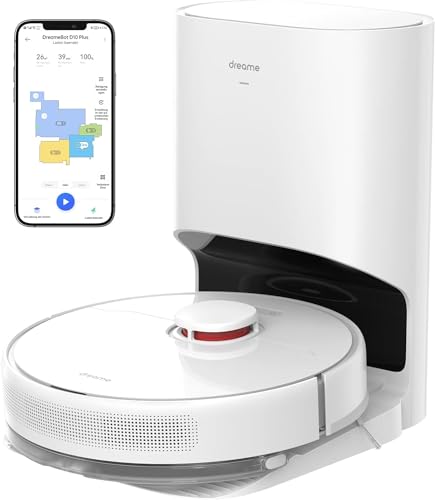
App control
The app controls many features, including changing the power of the robot vacuum (from eco to standard to turbo) and the amount of water that is dispensed when mopping and establishing digital zones to keep out. You can program cleaning times and select room-specific modes. You can also view the layout of your home on your tablet, smartphone or computer, and alter the maps to help with cleaning.
Lidar sensors provide visual information while cameras measure distances by sending laser beams. They bounce off surfaces, and then return to the sensor. This allows them to create a live map of the area. This enables the robot to recognize obstacles it could run into, such as cords and furniture legs and maneuver around them with greater efficiency than other vacs. The technology is similar in many ways to the self-driving vehicle and other advanced technologies.
If you're looking for a robot vacuum and mop that's powerful and easy to use, the Q Revo is among our top picks. The Q Revo is a little bit more expensive than other models, but its top features are worth the cost. It can be controlled via voice commands using Alexa or Google AI, has a docking system that is hands-free and allows you to easily switch from hardwood to carpeting. It can also automatically empty its dust bin, refill its water tank and rapidly dry the mop head.
Another option is the Bissell SpinWave. It's less sophisticated than the DreameBot, but it still is a great choice for keeping floors spotless. robot with lidar can sweep, mop and vacuum, and also map rooms, and allows users to set schedules virtual walls and digital keep-out zones. It also has a remote control and a long battery life.
This model has a big dustbin, a variety of sensors, and an intelligent mapping system. It also features anti-drop sensors as well as an automatic switch to carpet mode when mop is on. Its mapping accuracy is high and it detects stairs, furniture and pet hair with ease. It also comes with a powerful mower motor and suction force of 3,000 psi, which makes it a great option for homes with various flooring types.
Easy to use
Keep your home clean by using the best robot vacuums, mopbots and other devices that rely on the gyroscope for navigation. Gyroscopes function as sensors for rotation and use the same principles that aid ships, planes and mobile phones navigate. They measure the distance between rotating devices and obstacles. This allows robots to avoid hitting furniture or other objects that they cannot see. Gyroscopes aren't expensive, either they can be found in an amazing robot for less than $200 that uses this technology.
In contrast to other robot navigation systems, which are based on a visual information lidar sensors aren't affected by lighting conditions. This makes them an excellent option for homes that have different lighting conditions and can also be used in rooms with dark lighting. This technology will help your robot avoid obstacles and produce a precise map of your house. It also can detect small objects, which other sensors could miss.
Lidar navigation can also cut down the time it takes to clean your floors. It can create an accurate map of the floor, identify and mark obstacles so that you don't have to spend much time cleaning manually. This is especially beneficial in homes with huge areas with lots of obstacles. It can also prevent your robot from getting stuck under furniture.
Some robots using lidar can also alter their cleaning paths according to the design of your home, so you don't have to fret about getting rid of spots or wasting time. You can monitor the progress of your home's cleaning with an app on your phone.
This robot performed well during our tests on hard and softer surfaces. The swivel head was able to easily clean under and around the furniture and was able to avoid the majority of socks and shoes. However, it did get hung up on a few cords and rug tassels.
This model comes with a variety of premium features at an affordable price. Its navigation system lets you to set up zones that are not allowed to be entered and choose the best cleaning for each area. You can have your robot mop or vacuum your entire house or a specific part of it.